Prepared by the Research Department at Lawionyrs under the supervision of Muayid Al-Din Al-Sadiq Malli
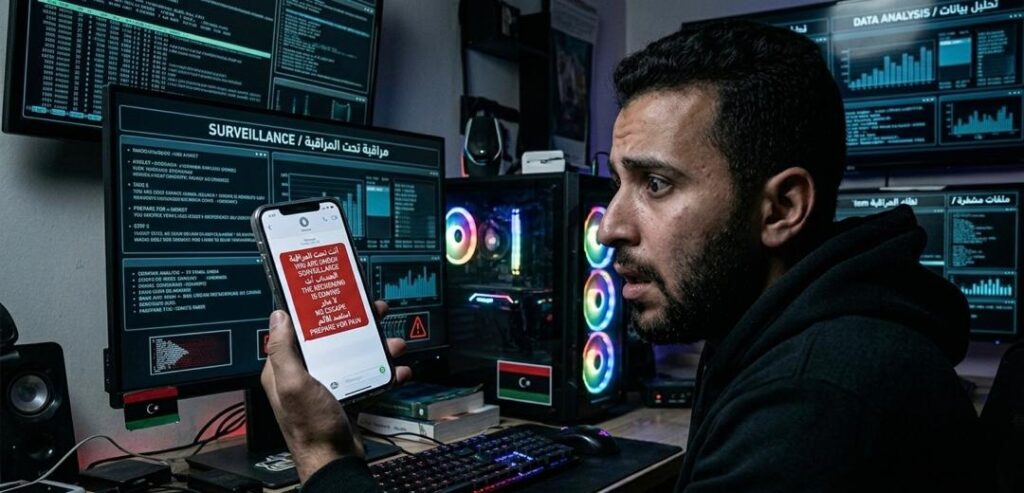
On January 15, 2025, a multinational company in Europe experienced a shocking incident when its Chief Financial Officer received a phone call that appeared to be from the company’s CEO, requesting an urgent transfer to an external account as part of a confidential deal.
The voice was not real; it was generated using AI-powered deepfake technology. Within hours, approximately $25 million had been transferred before the fraud was discovered.
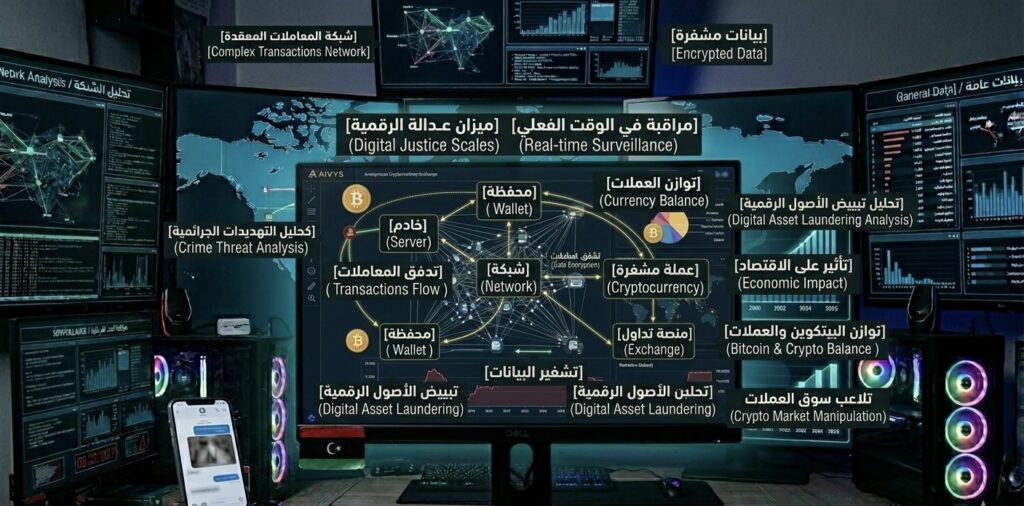
This incident was not unique; it represents a recurring pattern of a rapidly growing modern crime known as “deepfake fraud,” which relies on AI deepfake technologies to generate fake audio, images, or videos that are extremely difficult to distinguish from reality.
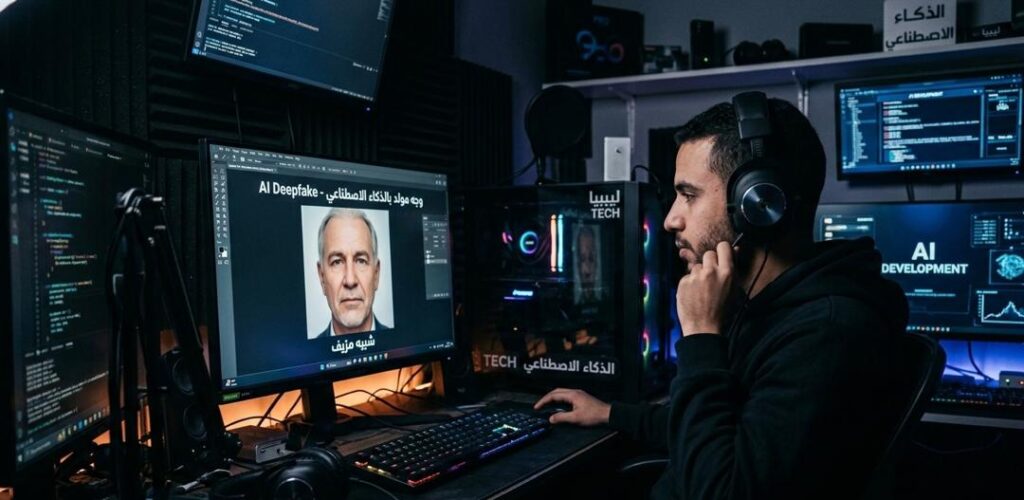
The danger of this crime lies in its ability to exploit human trust. Fraud is no longer limited to simple textual or visual deception; it now relies on precise imitation of voices and faces, causing victims to fully trust the source of requests or instructions.
Reports by McAfee cybersecurity company have shown a significant rise in the use of deepfake technologies in digital financial fraud during 2024 and 2025, as criminals can now produce fake content within minutes at relatively low cost.

From a legal perspective, this crime raises complex issues regarding legal classification: is it considered forgery, fraud, or an independent crime requiring specific legislation?
It also presents evidentiary challenges, as it can be difficult to prove that content is fake, especially with the advancement of AI deepfake detection technologies.
In this context, studies from Stanford Law School in law and technology indicate that current legal systems suffer from a clear gap in addressing AI-related crimes, as most legislation still relies on traditional concepts that fail to capture this evolution.

At the international level, Interpol reports have warned that deepfake technology is increasingly used in extortion, defamation, and political manipulation, making it a multidimensional threat beyond just financial aspects.
From the perspective of Islamic law, this crime can be categorized as fraud, deception, and misrepresentation—acts that are religiously prohibited due to their violation of rights and harm to others—opening the door for contemporary jurisprudential analysis.
Reports from the World Economic Forum indicate that digital trust has become a major challenge in the global economy, as the spread of deepfake technologies may undermine trust in digital transactions, negatively affecting investments and e-commerce.

In light of these factors, deepfake fraud represents a qualitative shift in the concept of crime, as criminals no longer need physical presence or advanced technical skills—access to AI tools is sufficient to cause harm.
Results:
1. Deepfake technology represents a qualitative leap in cybercrime in terms of severity and impact.
2. Current legal systems suffer from shortcomings in addressing and classifying this crime.
3. Digital evidence related to these crimes presents significant evidentiary challenges.
4. This crime threatens trust in digital transactions and institutions.
5. There is an urgent need to develop an integrated legal and technological framework to combat it.
Recommendations:
1. Enact specific legislation criminalizing the use of deepfakes in fraud and digital crimes.
2. Develop technical tools to detect fake content.
3. Enhance international cooperation in tracking perpetrators.
4. Increase public awareness of deepfake risks.
5. Integrate AI concepts into legal and judicial training.
Open Question: Will the law remain capable of keeping pace with AI-based crimes, or will technology outpace legislation, placing justice in a constant defensive position?
Sources:
• McAfee report on deepfakes and cybercrime
• Stanford Law School studies in law and technology
• Interpol reports on digital crimes
• World Economic Forum report (Digital Trust & Cybersecurity)
MIT Technology Review research on AI and deepfakes
For more professional articles on these topics, visit the articles section on our website www.lawionyrs.com, which specializes in training, consulting, research, and publishing within an international legal framework. You can also explore certified courses in the courses section, video content in the video section, books in the books section, and other services. Navigate to the homepage by clicking the home button and choose the section that suits you.