Prepared by the Research Department at Lawionyrs under the supervision of Muayid Al-Din Al-Sadiq Malli
On October 28, 2025, a global trading platform witnessed a sudden and unjustified surge in the stock price of a startup, driven by an intensive social media campaign urging investors to buy quickly.
Within hours, the price doubled abnormally before suddenly collapsing after regulators launched an investigation that revealed an organized group behind the manipulation for illicit gains.
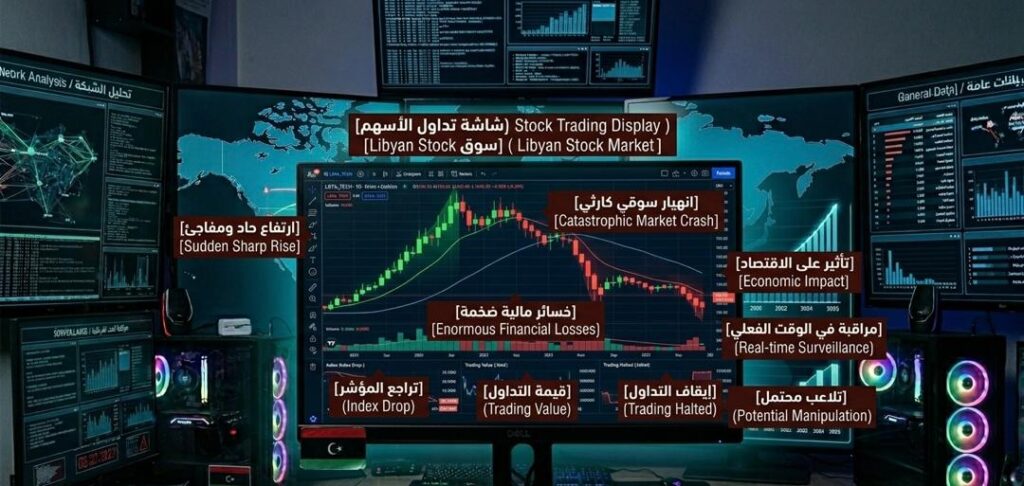
This incident represents a clear example of market manipulation, a complex economic crime that relies on exploiting information and influencing investor behavior to achieve financial gains at the expense of others.
The danger of this crime has increased with the spread of digital trading platforms and easier access to financial markets for individuals.
Reports from the U.S. Securities and Exchange Commission indicate that cases of market manipulation, especially via social media, have significantly increased in recent years, using strategies such as “pump and dump” to influence asset prices.

From a legal perspective, this crime raises issues related to proving intent to manipulate, especially in cases of collective trading that may appear normal on the surface.
It also highlights the difficulty of distinguishing between legitimate investment advice and deliberate market influence.
In this context, studies by the Financial Conduct Authority show that the use of digital platforms for misleading investment promotion has become a major modern manipulation tool, requiring stricter oversight and continuous regulatory updates.
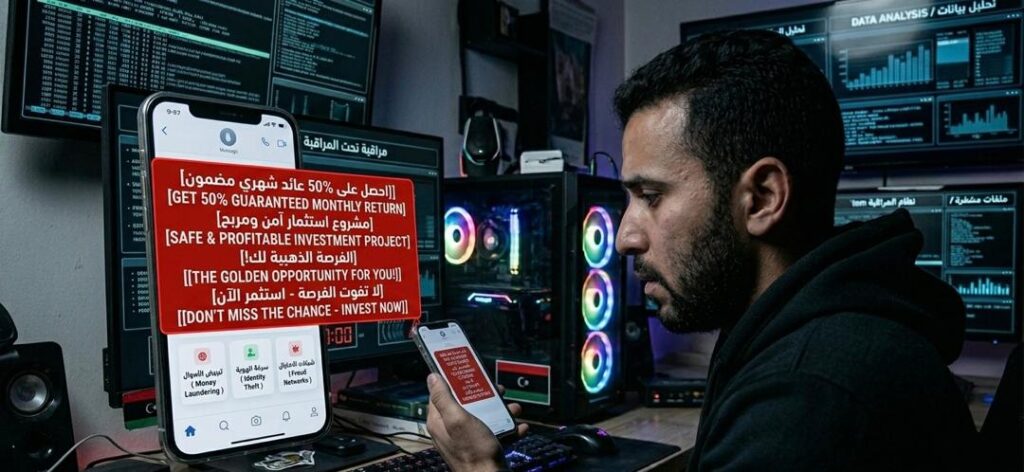
Reports from the World Bank confirm that financial market integrity is a fundamental factor in attracting investments, and any disruption may lead to loss of trust, investor withdrawal, and broader economic impact.
From an Islamic law perspective, this crime falls under uncertainty (gharar), deception, and price manipulation—prohibited practices due to their deceptive nature and harm to market participants—reinforcing the need for strict legal control.
At the international level, reports from the International Organization of Securities Commissions emphasize the importance of cooperation among regulatory authorities worldwide to detect manipulation, especially given the cross-border nature of digital financial markets.
Research from Harvard Business School shows that individual investor behavior is heavily influenced by digital content, making them vulnerable to exploitation in such schemes, particularly due to limited financial expertise.
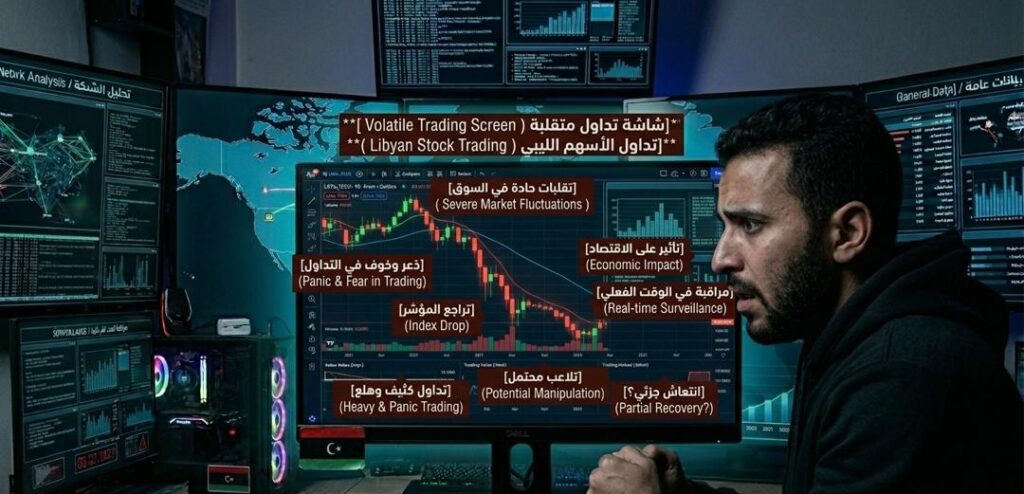
In light of the above, market manipulation is no longer limited to large institutions; it is now accessible to small groups or individuals using digital tools to influence the market, necessitating more advanced regulatory mechanisms.
Results:
1. Market manipulation poses a direct threat to investment integrity.
2. Social media has become a primary tool in executing this crime.
3. Proving intent to manipulate is one of the biggest legal challenges.
4. Low investor awareness increases their likelihood of becoming victims.
5. International cooperation is essential to combat these crimes.
Recommendations:
1. Strengthen oversight of investment-related content on digital platforms.
2. Develop specific legislation for digital trading and market manipulation.
3. Enhance financial literacy among individual investors.
4. Use AI technologies to detect abnormal trading patterns.
5. Strengthen cooperation among global regulatory authorities.
Open Question:
In this era of digitally open markets, can a balance be achieved between investment freedom and market protection, or will risks remain an inherent part of modern trading environments?
Sources:
- U.S. Securities and Exchange Commission reports on market manipulation
- Financial Conduct Authority studies on financial regulation
- World Bank reports on market integrity
- International Organization of Securities Commissions reports on global regulation
- Harvard Business School research on investor behavior
For more professional articles on these topics, visit the articles section on our website www.lawionyrs.com, which specializes in training, consulting, research, and publishing within an international legal framework. You can also explore certified courses in the courses section, video content in the video section, books in the books section, and other services. Navigate to the homepage by clicking the home button and choose the section that suits you.